Key Takeaways
- Freshwater is a finite resource under growing pressure from population growth, agriculture, and climate change
- Household leaks silently drain billions of gallons each year, making leak checks one of the highest-impact first steps
- Small bathroom and kitchen habit changes can cut personal daily use by 20 to 40 percent without major cost
- Upgrading fixtures to low-flow models pays back quickly through lower utility bills and reduced energy use
- Outdoor landscaping and irrigation often account for the biggest household waste, especially during summer
- Community action, policy support, and smarter consumer choices amplify the impact of individual efforts
- Tracking your monthly water bill is the simplest way to measure progress and spot hidden problems early
The Freshwater Crisis Is Closer Than You Think
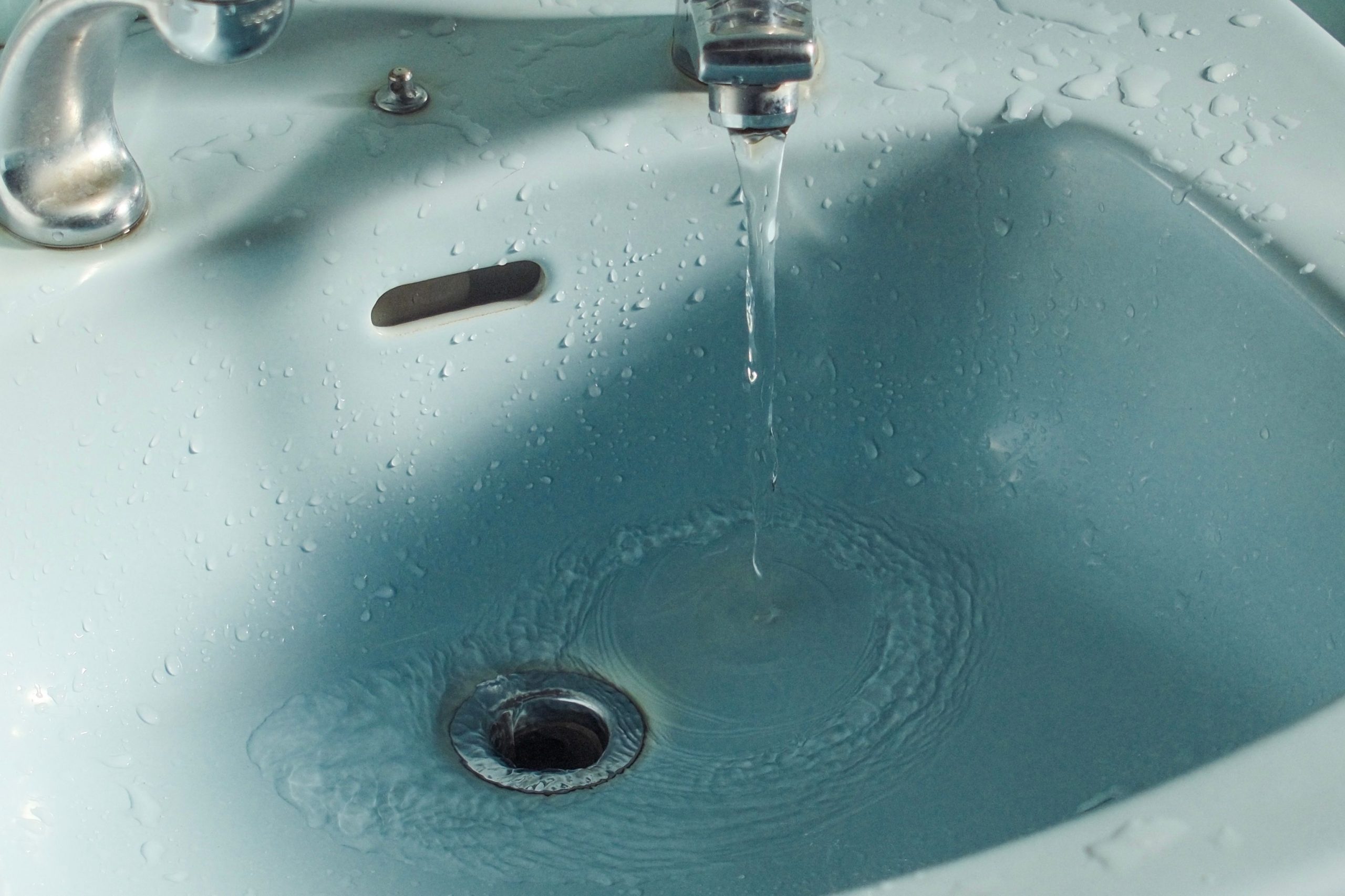
Turn on the tap and clean water flows out. It feels endless. That everyday convenience hides a much harder truth about the planet’s shrinking freshwater supply.
Most of us never think about where our water comes from, how much we use, or what happens when the well runs dry. But droughts, aging infrastructure, and rising demand are pushing communities across the globe toward difficult choices. The good news is that meaningful change starts in your own home, and the steps are more straightforward than you might expect.
This guide walks you through the exact process of understanding the problem, auditing your household, upgrading what matters most, and building habits that stick. No guilt, no overwhelm — just a clear path you can begin today.
What Makes Freshwater Such a Fragile Resource
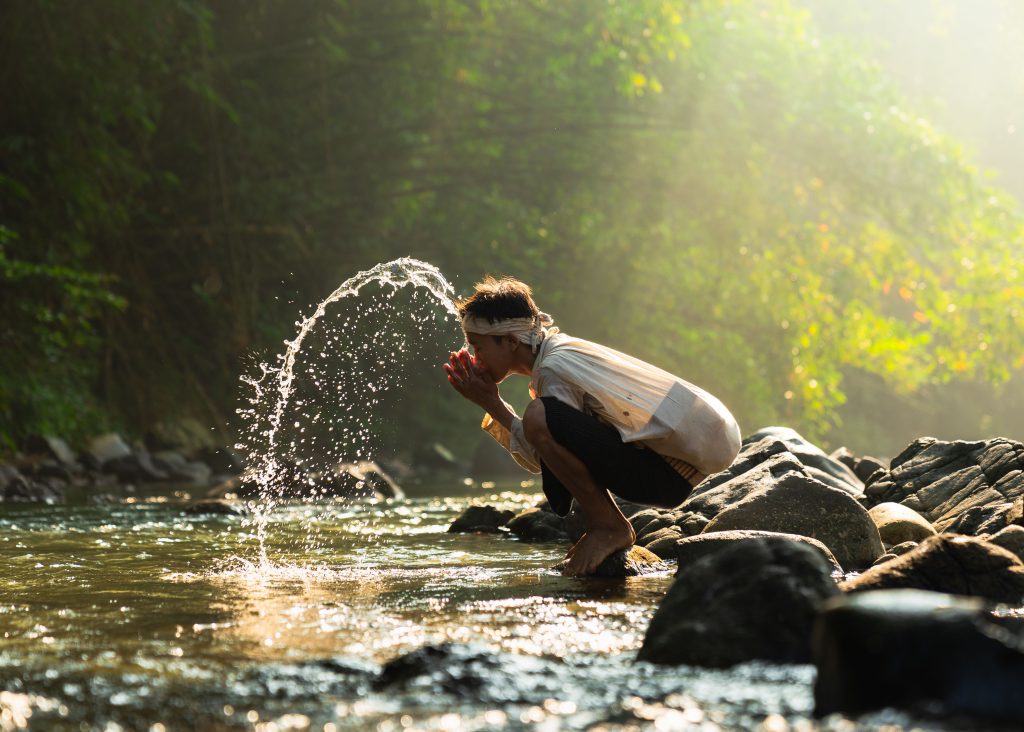
Only a tiny fraction of the planet’s water is drinkable, and that supply is shrinking on a per-person basis as populations grow. According to the Food and Agriculture Organization of the United Nations, renewable freshwater available per person has dropped by about 7 percent over the last ten years. That decline is not evenly distributed, meaning some regions are feeling it far more severely than others.
Climate shifts worsen the picture. Rainfall patterns are changing, snowpacks that feed rivers are shrinking, and underground aquifers are being pumped faster than they refill. Many cities now rely on water sources that are stressed year-round rather than only during dry spells.
Understanding this backdrop matters because it reframes how we think about daily choices. Every gallon saved at home reduces pressure on treatment plants, energy grids, and the natural systems that store and clean water. That is the foundation for everything that follows.
Why the Stakes Are Higher Than Most People Realize
Ask yourself why is water conservation important beyond just saving a few dollars on your monthly bill. The answer involves food security, public health, energy production, and the stability of entire ecosystems.
Farming uses enormous amounts of water to grow the food we eat every day. According to UN News, agriculture accounts for roughly 72 percent of all freshwater pulled from rivers, lakes, and aquifers worldwide. When household and industrial demand competes with crops, something has to give — and often it is the smallholder farmers and rural communities that lose out first.
The human cost is already here. Research highlighted by the Boston College Center for Corporate Citizenship shows that around four billion people face severe shortages for at least one month each year. That is nearly two out of every three people on Earth. Reducing waste at the household level will not solve a global crisis on its own, but it is a necessary piece of the puzzle and the one each of us controls directly.
How Scarcity Shapes Everyday Life
In regions with chronic shortages, families spend hours each day fetching water, children miss school, and local economies stall. Even in wealthier places, shortages drive up grocery prices, trigger watering bans, and raise utility rates. The ripple effects reach everyone eventually, which is why early action matters so much.
Step One: Audit Your Home in a Weekend
Before changing anything, find out where your water actually goes. A simple audit takes about two hours and reveals surprises in almost every household.
Start by reading your water meter, waiting an hour with no taps running, and reading it again. Any movement means a leak somewhere. Then walk through the house with a notebook and check the following:
- Toilet tanks (add a few drops of food coloring and wait 15 minutes to detect silent leaks)
- Faucets and showerheads for drips or weak aerators
- Under-sink pipes for moisture, corrosion, or warped wood
- Washing machine and dishwasher hoses for cracks or bulging
- Outdoor spigots, sprinklers, and irrigation lines for puddles
- Water heater base for signs of slow seepage
Leaks are often the single biggest source of waste in a home. The Water Project notes that EPA estimates put nationwide household leakage near 900 billion gallons wasted every year. Fixing even a slow drip can save thousands of gallons annually per household.
Reading Your Bill Like a Detective
Pull out your last twelve monthly water bills and chart the usage. Look for sudden spikes, unusual winter numbers, or a steady upward creep. Winter use is a useful baseline because outdoor watering is minimal, so anything above that baseline in warmer months points to irrigation habits worth examining.
Step Two: Upgrade the Fixtures That Waste the Most
Once the audit is done, prioritize changes by impact. Not every upgrade is equal, and some deliver massive returns for small investments.
Toilets are usually the biggest indoor water users, followed by showers and washing machines. Replacing an older toilet with a modern dual-flush model can cut toilet water use by more than half. A quality low-flow showerhead costs under thirty dollars and pays for itself within months through lower water and heating bills.
Here is a priority list most households can work through over a few weekends:
- Install low-flow showerheads rated at 1.5 gallons per minute or less
- Add faucet aerators to every sink
- Replace pre-1994 toilets with WaterSense-certified models
- Fix any identified leaks immediately, starting with toilets
- Insulate hot water pipes to reduce wait time at the tap
- Swap out old clothes washers for high-efficiency front-loaders when they fail
If you want a deeper guide to the mechanical side, this breakdown on how to reduce home water usage walks through specific plumbing fixes room by room. The combined savings from these upgrades often cut a typical household bill by 30 percent or more within the first year.
The Importance of Saving Water Outdoors
Outdoor use frequently doubles household consumption during warm months, and most of it is wasted through evaporation, runoff, or watering the wrong things at the wrong time. This is where water conservation efforts pay off fastest in dry climates.
Lawns are the biggest culprit. Traditional grass is thirsty, shallow-rooted, and often watered during the hottest part of the day when most of the moisture evaporates before reaching the roots. Switching to drought-tolerant ground cover, native plants, or xeriscaping can slash outdoor use dramatically while still looking beautiful.
Smart irrigation makes a huge difference even if you keep a lawn. Drip systems deliver water straight to plant roots with almost no loss. Rain sensors prevent sprinklers from running during storms. Mulch keeps soil moist longer. Watering early in the morning, rather than midday or evening, reduces both evaporation and fungal problems.
Capturing Rain Instead of Buying It
Rain barrels are inexpensive, legal in most regions, and surprisingly effective. A single barrel positioned under a downspout can collect dozens of gallons in a short storm — enough to water garden beds for a week. More ambitious setups with linked barrels or cisterns can supply most outdoor needs during the growing season.
Building Habits That Actually Last
Equipment upgrades are powerful, but habits determine whether your savings hold long term. A low-flow showerhead installed yesterday still wastes water if you stand under it for twenty minutes, and a dual-flush toilet does nothing if nobody uses the smaller button. Small daily choices, repeated across months and years, often outperform a single big fixture swap, and they cost nothing to adopt.
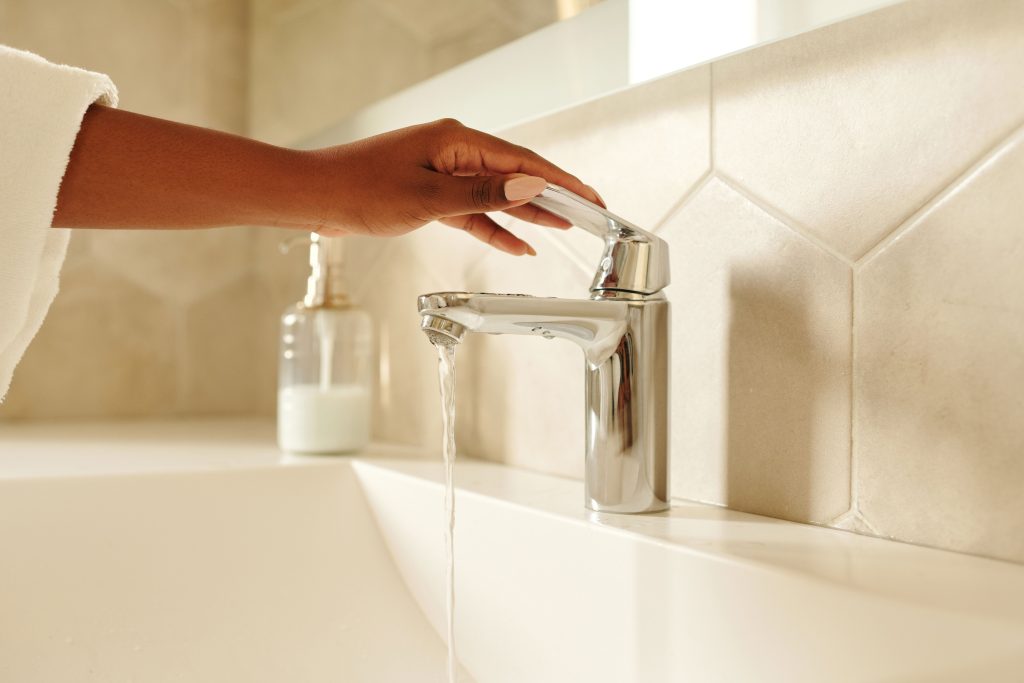
Start with the routines that already repeat themselves. Brushing teeth, washing dishes, shaving, and showering happen on autopilot, which makes them the easiest places to lock in change. Turn off the tap while scrubbing, keep showers under five minutes, and run dishwashers and laundry only with full loads. A running bathroom faucet can pour out two gallons every minute, meaning a two-minute toothbrushing session with the tap open wastes more water than most people drink in a week. None of this requires willpower once it becomes muscle memory, but the first two or three weeks do take conscious attention. Posting a small sticky note on the mirror or above the kitchen sink is often enough to bridge that gap until the new behavior feels automatic.
A few habits that tend to stick when households commit to them:
- Keep a pitcher of drinking water in the fridge instead of running the tap until it cools
- Scrape dishes instead of pre-rinsing before loading the dishwasher
- Thaw frozen food in the fridge overnight rather than under running water
- Use a broom to clean driveways and sidewalks instead of a hose
- Reuse pasta or vegetable cooking water to hydrate houseplants once cooled
- Set a shower timer or play a short playlist to signal when to wrap up
- Collect the cold water that runs while waiting for the shower to warm up and use it for plants, pets, or cleaning
- Wash fruits and vegetables in a bowl instead of under a running stream, then pour the rinse water onto the garden
Involving everyone in the household matters more than perfection. Kids who understand why the family does things a certain way carry those habits into adulthood, and even young children respond well to being handed a role, whether that is timing showers, refilling the fridge pitcher, or checking outdoor plants for signs of thirst before anyone drags out a hose. Housemates who see the monthly bill drop together feel ownership over the results, and roommates who split utilities often become the strictest enforcers once they realize their share is shrinking. Framing water conservation as a shared project rather than a set of rules handed down by one person tends to create far less friction and far more buy-in.
Tracking Progress Without Obsessing
Check your meter once a week for a month, then once a month after that. Jot the reading on a calendar or in a notes app, and consider logging the date alongside anything unusual that happened that week, such as guests staying over, a garden freshly planted, or a car wash at home. Patterns emerge quickly, and seeing the numbers fall creates momentum that no lecture ever could. Many households find that the first month shows the biggest drop, followed by smaller but steady declines as deeper habits settle in. If a reading jumps unexpectedly, you have caught a problem early instead of discovering it on a shocking bill, whether the culprit is a silently running toilet flapper, an irrigation line that cracked over winter, or simply a teenager who discovered long showers. The goal is awareness, not anxiety, and understanding why water conservation is important at the household level makes the weekly glance at the meter feel less like a chore and more like a small, satisfying check-in.
Going Beyond Your Own Four Walls
Individual change matters, but the biggest wins come when neighborhoods, workplaces, and local governments move together. Your efforts at home create credibility to push for broader action.
Talk with neighbors about shared irrigation schedules, especially in communities with homeowners associations that mandate lawn standards. Many HOAs have quietly updated their rules to allow native landscaping once a few residents ask. Workplaces often waste enormous amounts through running toilets, oversized landscaping, and inefficient cooling systems — and facilities managers usually welcome specific suggestions backed by bill data.
Local policy is where real scale happens. Attend a city council meeting when water rates or drought ordinances come up. Support rebate programs that help lower-income households replace old fixtures. Vote for infrastructure bonds that fix leaking municipal pipes, which in many cities lose more water underground than every household wastes combined.
Smarter Shopping Choices
What you buy outside the home carries a hidden water footprint. Beef, almonds, cotton, and fast fashion all require staggering amounts behind the scenes. You do not need to eliminate anything, but shifting a few meals a week toward plant-based options, buying durable clothing, and choosing seasonal produce from your region all reduce the invisible demand pulling on distant watersheds.
Conclusion
The freshwater story can feel heavy when you look at the global numbers, but the path forward is genuinely within reach. A weekend audit, a handful of fixture swaps, a few rewired habits, and a willingness to speak up locally add up to real change. None of it demands sacrifice or a complete lifestyle overhaul — just attention and a bit of consistency.
The households that make the biggest difference are not the ones chasing perfection. They are the ones that started with a single leaky toilet, noticed the lower bill, and let that small win pull them into the next step. Progress compounds, and the ripple effects reach far beyond your own home.
Pick one thing from this guide and do it today. Check the meter, order a low-flow showerhead, or put food coloring in the toilet tank before bed. Tomorrow, pick the next thing. In a year you will look back at a transformed household, a smaller bill, and a quiet sense of being part of the solution rather than the problem.