Water is one of the most vital resources in every home, powering everything from our daily showers and morning coffee to the lush green lawns that line our driveways. Yet, for many homeowners, water usage remains a hidden cost that sneaks up on monthly utility bills. Unseen leaks, outdated fixtures, inefficient appliances, and wasteful outdoor watering habits can quietly drain thousands of gallons of water each year. Taking proactive steps to maintain and upgrade your residential property is not only a fantastic way to protect your financial investment, but it is also one of the single most effective methods for reducing your environmental footprint and lowering utility costs.
Upgrading your home for improved efficiency does not require an immediate, total overhaul of your living space. Small, targeted improvements throughout your indoor living areas and outdoor landscaping can yield significant cumulative reductions in consumption. By taking a comprehensive look at how water flows into, through, and out of your property, you can identify hidden waste, optimize your system performance, and safeguard your plumbing infrastructure for years to come.
Identifying Indoor Water Waste
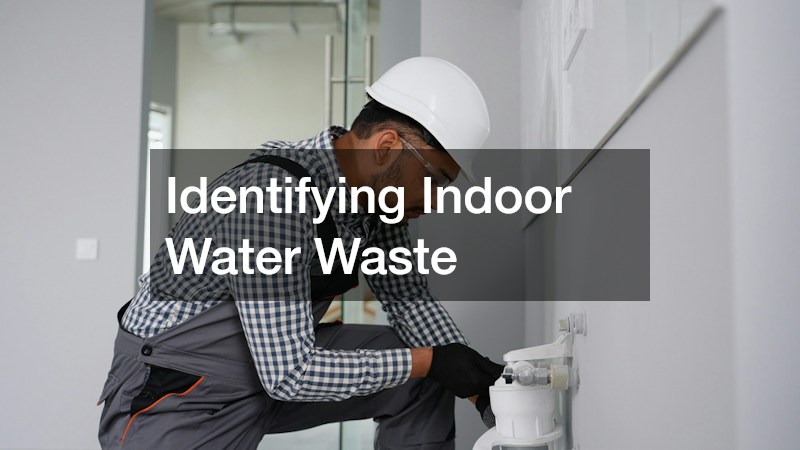
Indoor water waste often goes unnoticed because much of a home’s plumbing infrastructure is hidden behind drywall or tucked away inside cabinets. A tiny trickle in a guest bathroom toilet or a slow drip beneath the kitchen sink might seem negligible in the moment, but over weeks and months, these minor issues compound into hundreds of gallons of lost liquid.
Inspecting Fixtures and Appliances for Micro Leaks
The first line of defense against excessive indoor water use is a systematic visual inspection of every point of use in your home. Sink faucets, showerheads, toilet tanks, and appliance supply lines are common culprits for small, persistent leaks. Even a faucet that drops once per second can waste upwards of two thousand gallons over the course of a single year. To check your toilet for invisible leaks, drop a few drops of food coloring into the upper tank and wait fifteen minutes without flushing. If color trickles into the bowl, the internal flapper valve is worn down and needs replacement. Replacing rubber seals, gaskets, and worn valves is an inexpensive DIY task that pays for itself almost instantly on your water bill.
Upgrading to High-Efficiency Plumbing Fixture Models
If your home was constructed before the mid-1990s, your bathroom and kitchen fixtures are likely consuming far more water than modern standards dictate. Older toilets can use up to three and a half to five gallons per flush, whereas modern high-efficiency units use less than one and a half gallons while delivering equal or superior flushing power. Installing low-flow faucet aerators is another simple, cost-effective project. These tiny screw-on components mix air into the water stream, maintaining strong water pressure while cutting the actual volume of water used by nearly half. Swapping out standard showerheads for low-flow alternatives can similarly save thousands of gallons per year per person without sacrificing your daily shower experience.
Managing Wastewater Infrastructure for Maximum Efficiency
Beyond surface fixtures, the hidden pipes running beneath your floors and within your main sewer connection require attention. When main lines become partially blocked by tree roots, grease buildup, or mineral deposits, system pressure rises unevenly and drains operate sluggishly. Homeowners who encounter slow drainage throughout their home often turn to harsh chemicals, but contacting a reliable plumbing company is a far safer and more sustainable choice. Professional technicians can evaluate system integrity and prevent full main line blockages that lead to major leaks or backups.
Maintaining Clean and Unobstructed Drainage Systems
To prevent major line blockages from forming in the first place, routinely cleaning your home drainage networks is critical. Chemical drain treatments sold in retail stores can corrode metallic pipes over time, causing structural breakdown that results in hidden subterranean leaks. Instead of relying on caustic chemicals, using an enzymatic drain cleaner periodically helps break down organic grease, hair, and soap scum naturally. Maintaining clear pipes ensures that graywater moves efficiently out of your home without placing undue backpressure on vulnerable joints and supply connections.
Renovating Main Service Lines to Prevent Structural Losses
Severe main line issues can lead to structural damage and massive, unseen loss of water into the soil beneath your home foundation or yard. Soil shifting, freezing temperatures, and aging material can crack main lines, allowing clean water or sewage to seep out underground. Investing in professional sewer line repairs addresses these subterranean failures directly. Modern trenchless pipe repair technologies allow specialists to rehabilitate underground pipes with minimal excavation, restoring optimal flow and stopping water loss in its tracks.
Optimizing Outdoor Water Usage
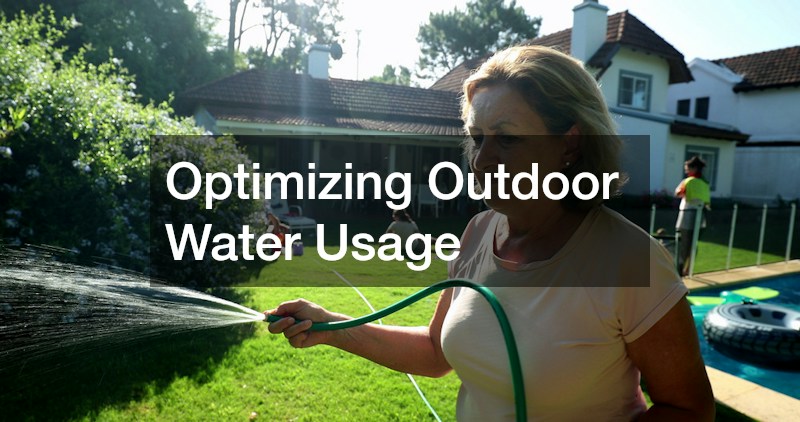
While indoor water conservation centers on fixing leaks and upgrading fixtures, outdoor conservation requires a strategic approach to landscaping, irrigation, and hardscape design. During the summer months, outdoor water use can account for more than half of a typical household total consumption, largely due to inefficient lawn watering and evaporation.
Redesigning Landscaping with Native and Drought-Tolerant Plants
Traditional turf grass requires vast quantities of supplemental hydration to remain green throughout hot summer months. Re-evaluating your yard design can yield massive savings. Xeriscaping, or designing landscapes that require minimal supplemental watering, involves selecting native perennials, succulents, and drought-tolerant shrubs that thrive on naturally occurring rainfall. Replacing vast lawns with native flower beds or mulched ground covers dramatically reduces the volume of water needed to keep your curb appeal high.
Utilizing Sustainable Materials for Outdoor Soil Health
Soil quality plays a pivotal role in how effectively your outdoor garden retains moisture. Compacted or sandy soil allows rainwater to wash away quickly before plant roots can absorb it, forcing homeowners to run sprinklers for longer durations. Incorporating organic compost, topsoil, and high-quality landscape supplies into your garden beds improves soil structure and water retention capacity. Adding a two-to-three-inch layer of organic bark or wood mulch over exposed soil acts as a protective blanket, reducing surface evaporation and keeping root systems cool during hot afternoons.
Installing Smart Irrigation Controls and Drip Systems
Standard automated sprinkler systems running on simple timers are notoriously inefficient, often spraying driveways and sidewalks or watering during heavy rainstorms. Upgrading to a smart irrigation controller allows your watering schedule to adjust automatically based on real-time local weather forecasts, soil moisture sensors, and temperature readings. Furthermore, replacing overhead spray heads in plant beds with micro-drip irrigation delivers precise amounts of moisture directly to plant roots, eliminating loss from wind drift and atmospheric evaporation.
Partnering with Grounds Experts for Efficient Outdoor Layouts
Designing an efficient outdoor space often requires professional expertise to ensure proper grading, drainage, and plant selection. Working directly with a local landscaping company ensures that your outdoor space is configured for maximum efficiency. Skilled landscapers can grade your yard to catch natural runoff, create rain gardens that absorb stormwater, and group plants with similar moisture requirements together in distinct irrigation zones, preventing overwatering of drought-hardy species.
Safeguarding Driveways and Pavements to Direct Rain Runoff
Hard surfaces like driveways, walkways, and patios significantly impact how rainwater flows across your property. Asphalt and concrete surfaces that are cracked or improperly sloped allow water to pool in unwanted areas or seep into building foundations rather than filtering safely into the water table. Hiring an experienced sealcoating contractor to repair, seal, and smooth out your asphalt surfaces helps direct rainwater runoff efficiently into your garden zones while preventing surface degradation that requires costly structural repairs down the road.
Self-Sustaining Water Systems and Private Supply Care
For homeowners who rely on private ground sources rather than municipal utilities, efficient usage is directly linked to the health and sustainability of the local aquifer. Maintaining private supply infrastructure prevents system strain, lowers energy consumption from pumping, and ensures a clean, reliable supply year-round.
Monitoring and Servicing Private Water Supply Sources
Owning a private ground supply gives homeowners total control over their resource management, but it also comes with the responsibility of maintenance. Deep subterranean aquifers can experience reduced capacity during dry seasons or heavy drawdowns. Partnering with a local water well company helps homeowners monitor groundwater levels, test output quality, and ensure the surrounding physical structure remains sealed against surface contaminants and biological hazards.
Enhancing Pump Efficiency and Pressure Regulation
The mechanical heart of any independent supply system is the subterranean mechanical pump that moves groundwater up into your pressure tank and home distribution lines. If a pump is cycling on and off constantly due to pressure tank failure or mechanical wear, it burns through high amounts of electricity and runs the risk of premature failure. Routine well pump services preserve the mechanical health of your system, ensuring that water is delivered at stable pressure throughout your home without unnecessary energy or liquid loss.
Modernizing Subterranean Sourcing for Enhanced Capacity
In areas where groundwater tables have dropped, or existing shafts have structural failure, older private supply setups may fail to provide adequate output or clean quality. Expanding or deepening your existing source can dramatically improve reliable access to freshwater while utilizing high-efficiency mechanical systems. Modern water well drilling techniques allow technicians to tap into deeper, cleaner aquifer layers with precision, outfitting the setup with modern casing and screens that resist sediment infiltration and maximize continuous flow rates.
Maintaining Outdoor Recreational Water Features
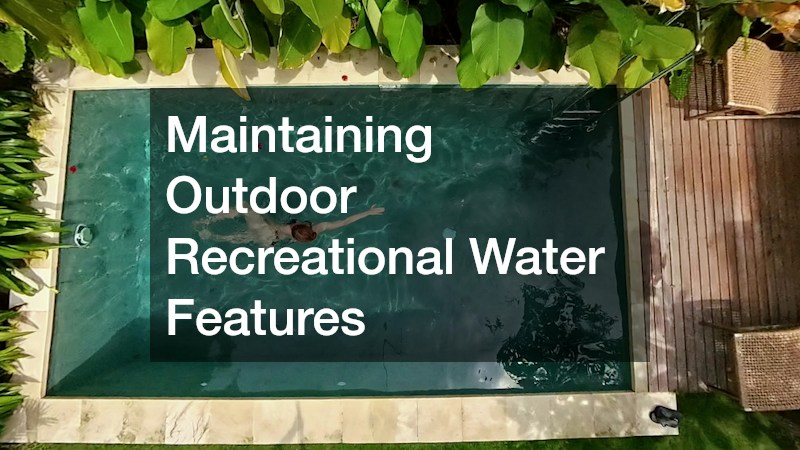
Backyard pools, fountains, and artificial waterfalls offer wonderful relaxation and aesthetic value, but they can also consume huge volumes of water if not properly monitored and maintained. Evaporative loss, structural cracks, and mechanical filtration leaks can turn a backyard paradise into a major waste point.
Addressing Pool Structural Integrity and Leak Detection
A tiny hairline crack in a pool shell or an aged fitting along a return jet line can leak hundreds of gallons into the surrounding soil every day without creating an obvious puddle. Detecting these leaks early requires careful observation. Performing a simple bucket test—comparing the evaporation rate of a bucket of pool water resting on the pool steps to the pool’s overall water level—can help determine if water loss is due to simple evaporation or an actual physical leak.
Servicing Pumps, Filters, and Plumbing Lines for Efficiency
Pool filtration systems rely on heavy-duty pumps and valves to keep water clean and circulating. Over time, multi-port valves can develop leaking internal gaskets that divert filtered water directly into the waste line during normal operation. Scheduling professional pool repair ensures that mechanical filters, pipe connections, and structural linings are completely airtight and operating efficiently, stopping silent water loss before it inflates your bills.
Minimizing Evaporative Losses in Swimming Pools
Evaporation is the primary cause of routine water loss in residential swimming pools, especially during hot, windy weather. Covering your pool with a thermal or solar cover whenever it is not in use can cut evaporative loss by up to ninety percent. Additionally, keeping pool water temperatures slightly lower and installing windbreaks like perimeter hedges or decorative fencing helps reduce airflow across the water surface, further preserving your pool water volume.
Habits and Daily Practices for Whole-Home Efficiency
While physical repairs and system upgrades establish a strong foundation for a water-efficient household, daily habits ultimately dictate long-term success. Combining hardware updates with mindful practices maximizes your overall savings and ensures your home operates at peak efficiency.
Implementing Mindful Usage Patterns in Daily Routines
Small shifts in daily behavior accumulate rapidly across a household. Turning off the tap while brushing teeth or shaving saves several gallons per person every day. Running dishwashers and washing machines only when they contain full loads maximizes the utility of every cycle. Furthermore, scraping food scraps into a compost bin instead of relying heavily on the garbage disposal saves gallons of running tap water while generating nutrient-rich organic material for your garden.
Capturing and Repurposing Rainwater and Graywater
Capturing naturally occurring precipitation is one of the easiest ways to supplement your outdoor watering needs without tapping into your main supply. Installing rain barrels beneath gutter downspouts allows you to collect free, unchlorinated rainwater for outdoor potted plants, garden beds, and lawns. For more advanced setups, graywater divert systems can capture relatively clean wastewater from clothes washers and bathroom sinks, directing it safely to irrigate non-edible landscape plants.
Establishing a Continuous Maintenance Schedule
Water efficiency is not a single weekend project; it is an ongoing commitment to home maintenance. Establishing a bi-annual checklist to inspect every area of your property ensures that small issues are caught before they turn into major structural failures. Check indoor faucets, examine outdoor hoses for cracked rubber washers, monitor your water meter when no fixtures are running to test for unseen leaks, and clear outdoor drainage pathways before heavy rain seasons arrive.
By taking a holistic approach to home maintenance—addressing everything from indoor faucets and underground main lines to outdoor plant choices and private water infrastructure—you can dramatically decrease your household water usage. These proactive steps preserve valuable natural resources, protect your home from costly water-related structural damage, and deliver substantial financial savings month after month. Investing time and care into fixing your home is the best way to create a comfortable, efficient, and sustainable living environment for years to come.