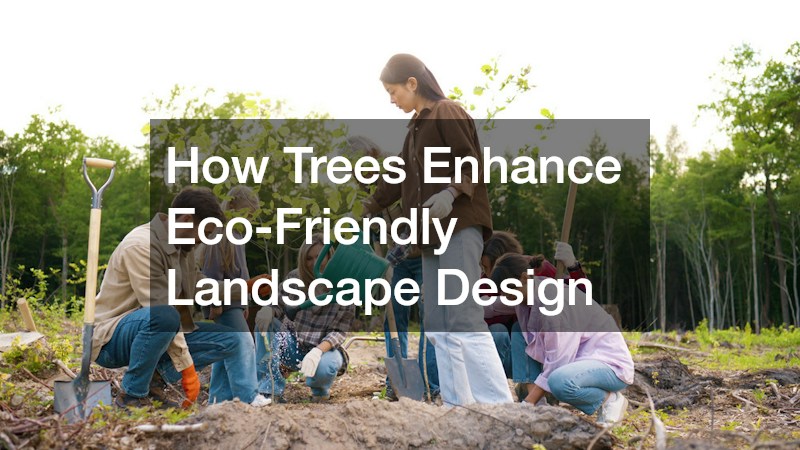
Trees are among the most valuable features in any eco-friendly landscape design. While many homeowners focus on lawns, gardens, and outdoor structures, trees often provide the greatest long-term environmental and aesthetic benefits. They improve air quality, absorb carbon dioxide, provide natural cooling, reduce erosion, and create habitats for wildlife. Strategically placed trees can also lower household energy costs by providing shade in the summer and wind protection during colder months.
As sustainability becomes a growing priority, landscape designs that preserve and incorporate trees are becoming increasingly popular. A well-designed property balances functionality, beauty, and environmental responsibility. Whether a homeowner is planning a complete yard makeover or making smaller improvements, trees can serve as the foundation of a greener landscape. By protecting mature trees, selecting compatible plants, and designing outdoor features with nature in mind, property owners can create outdoor spaces that require fewer resources while delivering long-lasting value and enjoyment.
Understanding the Environmental Benefits of Trees
Trees contribute significantly to sustainable landscaping by improving environmental conditions above and below ground. Their canopies cool surrounding areas, their roots stabilize soil, and their leaves help filter pollutants from the air. They also reduce stormwater runoff by slowing rainfall and allowing more water to infiltrate the ground.
Beyond environmental benefits, trees contribute to property value and curb appeal. Landscapes featuring mature, healthy trees often appear more established and inviting than those lacking natural shade and structure. When trees are integrated thoughtfully into a landscape plan, they provide benefits that can last for generations.
Assess Existing Trees Before Beginning Landscape Improvements
Before making major changes to a property, it is important to understand the condition of existing trees. A thorough evaluation helps identify potential hazards, opportunities for preservation, and ways to improve long-term landscape health.
Working with local arborists can provide valuable insight into tree health, root stability, and structural integrity. Their recommendations often help homeowners avoid unnecessary removals while identifying issues that should be addressed before construction begins.
Consider the following steps:
- Inspect trees for signs of disease or pests.
- Evaluate root zones before excavation begins.
- Identify branches that may require pruning.
- Determine which trees provide the highest environmental value.
A proper assessment creates a strong foundation for sustainable landscape planning. Healthy trees can become focal points of the design, reducing costs while maximizing environmental benefits. Preserving mature specimens whenever possible often yields greater long-term value than replacing them later.
Design Outdoor Gathering Spaces Around Natural Shade
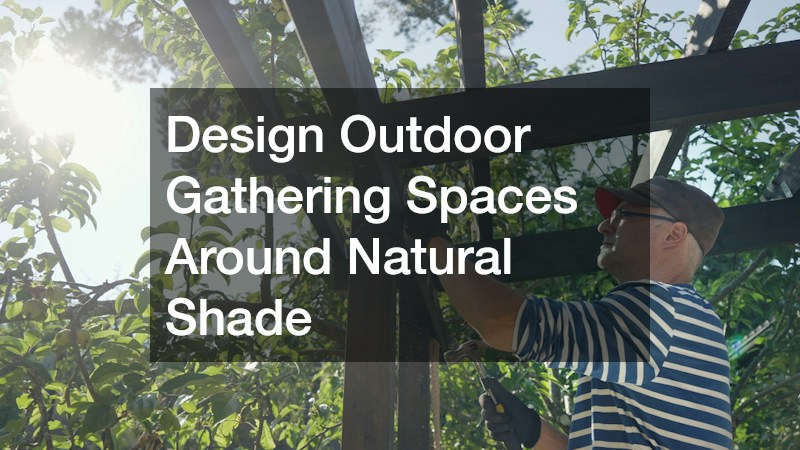
Many outdoor spaces become more comfortable when existing trees are incorporated into the design rather than removed. Tree canopies provide natural cooling that can significantly reduce heat buildup on patios, decks, and recreational areas.
When homeowners work with a custom pool company, thoughtful placement of a pool can allow mature trees to provide shade during the hottest parts of the day. Similarly, collaborating with the best deck builder can result in outdoor living areas that complement surrounding vegetation.
Helpful approaches include:
- Position seating areas beneath established canopies.
- Preserve major root zones during construction.
- Use natural shade to reduce heat exposure.
- Create seamless transitions between structures and greenery.
Designing around trees helps create a more attractive and comfortable environment while supporting sustainability goals. This strategy reduces dependence on artificial cooling methods and enhances the natural character of the property.
Protect Soil Health During Landscape Projects
Construction activities can damage soil and root systems if not carefully managed. Heavy machinery often causes compaction, reducing the availability of water and oxygen that trees need for healthy growth.
Many property owners utilize landscaping equipment rentals to access specialized tools that can complete tasks efficiently while minimizing environmental impact.
Careful planning before construction begins can significantly reduce the risk of long-term damage to trees and surrounding vegetation. Establishing designated equipment routes and work zones helps limit pressure on sensitive root systems while maintaining the integrity of the soil. Because roots often extend well beyond a tree’s canopy, protecting a wider area than many people expect is essential for preserving tree health during renovations and landscape improvements.
Maintaining healthy soil conditions throughout the project is equally important. Soil that remains loose and well-aerated allows roots to continue absorbing water and nutrients effectively. Contractors and property owners should work together to identify high-priority preservation areas and develop strategies that minimize disturbances. Even small adjustments to equipment placement and project scheduling can have a meaningful impact on the long-term success of a landscape.
A tree-friendly construction approach not only protects existing vegetation but also supports sustainability goals. Healthy trees contribute shade, improve air quality, reduce stormwater runoff, and enhance property value. By taking preventative measures during outdoor projects, homeowners can preserve these benefits while completing improvements that strengthen the functionality and appearance of their landscape for years to come.
Effective protection measures include:
- Limiting equipment traffic near root systems.
- Selecting appropriately sized machinery.
- Establishing designated work zones.
- Avoiding excavation around major roots.
Healthy soil is essential for healthy trees. By reducing compaction and disruption, homeowners can preserve existing vegetation and improve the long-term success of landscape improvements. A proactive approach helps maintain ecological balance throughout the project.
Choose Natural Materials for Landscape Structures
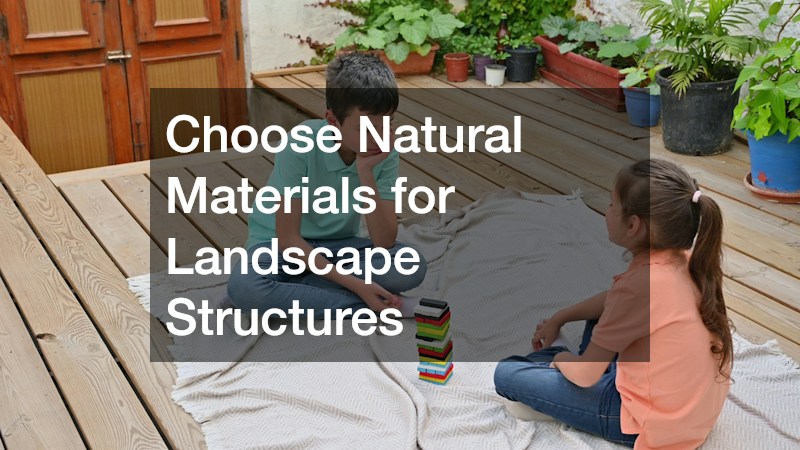
Sustainable landscape design extends beyond plants and trees. The materials used for outdoor features also play an important role in reducing environmental impact and creating visual harmony.
Many homeowners consider timber framing services when constructing pergolas, shade structures, or garden features. Wood-based materials often blend naturally with tree-filled landscapes while supporting environmentally conscious design objectives.
Important considerations include:
- Selecting renewable construction materials.
- Prioritizing durability and longevity.
- Designing structures around existing trees.
- Minimizing construction waste.
Natural materials often create a more cohesive appearance and reduce the visual contrast between built features and surrounding greenery. Thoughtful choices help reinforce the environmentally friendly goals of the overall landscape design.
Create Layered Plantings That Support Tree Growth
Trees perform best when they are part of a diverse and balanced ecosystem. Combining trees with compatible shrubs, flowers, and groundcovers helps improve biodiversity and strengthen landscape resilience.
Many homeowners rely on garden centers to identify native and adaptive plants suitable for local growing conditions.
A layered planting strategy may include:
- Groundcovers to reduce erosion.
- Pollinator-friendly flowers.
- Native shrubs beneath tree canopies.
- Drought-tolerant plants that require minimal irrigation.
These plant combinations help conserve water, reduce maintenance, and provide food sources for beneficial wildlife. Supporting tree health through thoughtful plant selection contributes to a more sustainable and visually appealing landscape.
Preserve Mature Trees During Site Preparation
Preparing a property for landscaping improvements often requires clearing brush, invasive species, or unwanted vegetation. However, indiscriminate clearing can remove valuable environmental assets.
A local land clearing service can assist in selectively removing vegetation while preserving mature trees that contribute shade, habitat, and beauty.
Best practices include:
- Mapping valuable trees before clearing begins.
- Establishing protective barriers around root zones.
- Removing invasive growth strategically.
- Preventing excessive soil disturbance.
Mature trees are often the most environmentally beneficial elements of a property. Retaining them whenever possible preserves decades of growth and reduces the need for costly replacement plantings in the future.
Improve Stormwater Control Through Smart Hardscaping
The design of patios, walkways, and other hardscape surfaces can significantly impact water movement throughout a property. Sustainable designs help protect trees by reducing runoff and improving soil moisture retention.
A concrete patio contractor can help create outdoor surfaces that balance functionality with environmental performance.
Useful strategies include:
- Incorporating permeable materials when appropriate.
- Maintaining open soil areas around trees.
- Directing runoff toward planted spaces.
- Reducing unnecessary paved surfaces.
When hardscaping is planned with trees in mind, landscapes become more resilient during heavy rain and drought conditions. Improved water management helps maintain healthier trees and reduces erosion across the property.
Establish Boundaries That Support Long-Term Growth
Privacy and security are important considerations for residential properties, but barriers should be installed carefully to avoid damaging vegetation.
Experienced local fence contractors can help position fencing in ways that protect trees and accommodate future growth.
Recommended practices include:
- Avoiding trenching near major root systems.
- Leaving adequate space around tree trunks.
- Preserving natural drainage patterns.
- Protecting newly planted trees.
A properly planned boundary system supports both landscape functionality and environmental sustainability. Thoughtful placement ensures that fencing complements rather than interferes with long-term landscape health.
Maintain Security Without Sacrificing Green Space
Modern properties frequently incorporate entry systems and security enhancements. These features can coexist with environmentally responsible landscaping when integrated thoughtfully.
Working with access control gates and fence installers allows property owners to add security while preserving important natural elements.
Consider these strategies:
- Design gate locations around existing trees.
- Avoid unnecessary tree removal.
- Preserve established landscape features.
- Maintain attractive views of natural areas.
Security improvements should support the overall design rather than disrupt it. Proper planning helps retain environmental benefits while ensuring the property remains functional and secure.
Develop a Long-Term Care and Sustainability Plan
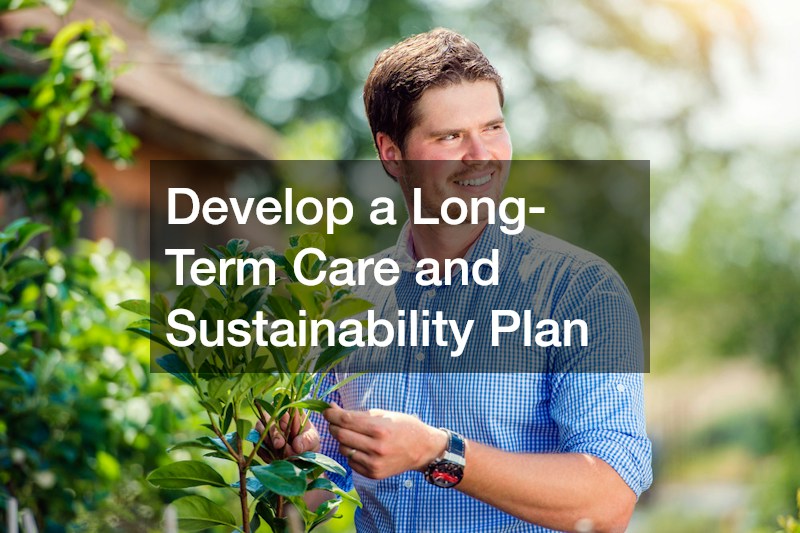
Creating an eco-friendly landscape is only the beginning. Long-term success depends on consistent maintenance and ongoing evaluation of tree health and landscape performance.
Many homeowners continue working with local arborists while sourcing suitable replacement plants and seasonal additions from garden centers.
A sustainable maintenance strategy should include:
- Annual tree inspections.
- Routine mulching and watering.
- Monitoring for pests and disease.
- Planning for future growth and replacement needs.
Long-term planning protects investments and helps landscapes remain healthy for years to come. Consistent care allows trees to continue providing environmental, aesthetic, and economic benefits throughout their lifespan.
Common Mistakes That Limit Tree Benefits
Even well-intentioned landscaping projects can reduce the positive impact of trees when planning is inadequate. Common mistakes include excessive pruning, compacting soil around root zones, planting incompatible species, and removing mature trees unnecessarily.
Another frequent problem is prioritizing short-term convenience over long-term sustainability. For example, expanding paved areas at the expense of green space can increase runoff, elevate temperatures, and reduce tree health. Property owners should also avoid planting trees too close to structures, where future growth may create conflicts.
Recognizing these mistakes early helps ensure that landscaping investments contribute to both environmental responsibility and long-term property value.
Creating a Greener Outdoor Environment for the Future
The most effective eco-friendly landscapes are designed with the future in mind. Rather than focusing solely on immediate appearances, successful plans account for tree growth, changing environmental conditions, and evolving property needs.
A forward-thinking approach encourages the preservation of natural assets while creating opportunities for future improvements. By combining healthy trees with efficient design practices, homeowners can create outdoor spaces that become more valuable and sustainable over time.
Trees remain one of the most powerful tools available for creating sustainable and attractive landscapes. Their ability to improve air quality, conserve energy, reduce runoff, enhance biodiversity, and increase property value makes them an essential component of eco-friendly design. Unlike many landscape features that require regular replacement, healthy trees often become more valuable as they mature.
Successful landscape planning focuses on protecting existing trees while integrating new features that support long-term environmental health. From thoughtful site preparation and plant selection to responsible hardscape design and ongoing maintenance, every decision can influence the effectiveness of a sustainable landscape.
By making trees a central part of outdoor planning, homeowners can create spaces that balance beauty, functionality, and environmental responsibility. These landscapes not only provide immediate enjoyment but also contribute to healthier ecosystems and stronger communities for years to come.