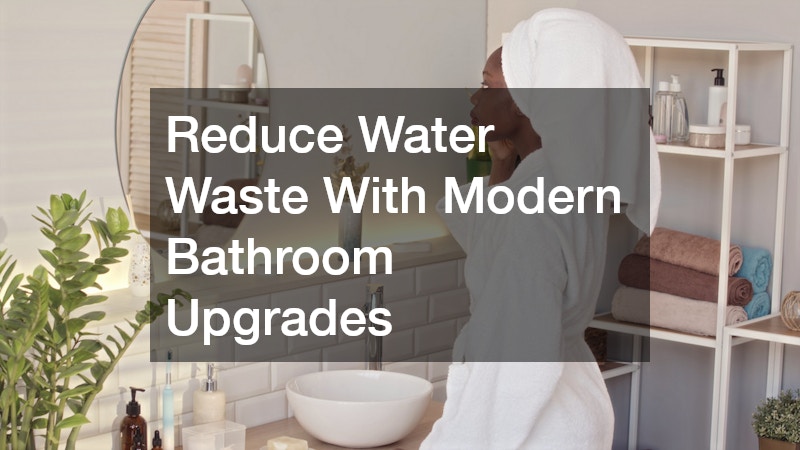
The modern bathroom is often the most resource-intensive room in the American household, accounting for nearly thirty percent of all indoor water consumption. As we move deeper into an era where environmental stewardship and utility costs are at the forefront of homeowners’ minds, the concept of a “green” bathroom has evolved. It is no longer just about low-flow showerheads and dual-flush toilets; it is about a holistic approach to home maintenance, material selection, and systemic efficiency. By modernizing the bathroom, you aren’t just updating a room; you are future-proofing your home against rising water scarcity and energy prices.
Whether you are planning a full-scale renovation or looking for incremental changes that yield significant savings, understanding the mechanics of water delivery and the longevity of materials is key. Let’s explore the actionable steps you can take to turn your bathroom into a model of modern conservation.
Auditing the Infrastructure for Hidden Waste
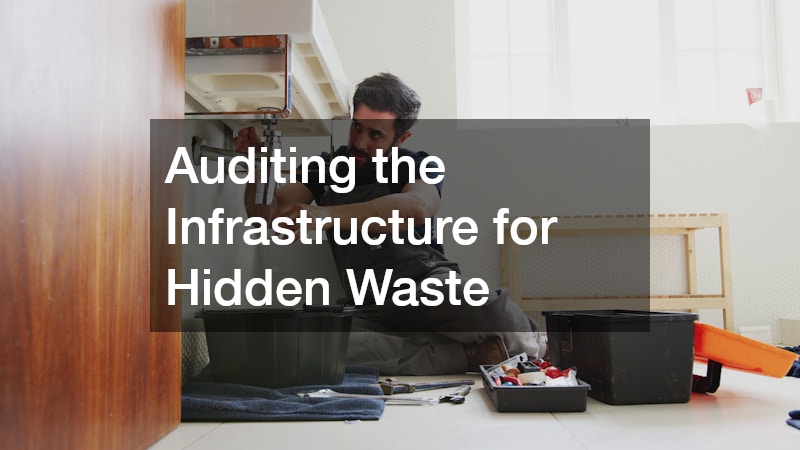
Before focusing on the aesthetic elements of a bathroom, a responsible homeowner must look behind the walls. Water waste is often a silent thief, occurring in the form of pinhole leaks in copper piping or faulty valves hidden within the vanity. These leaks do more than just drive up the monthly bill; they can lead to structural rot and mold growth that eventually requires extensive remediation.
A comprehensive inspection by professional plumbing repair services is the most effective way to start your green journey. These experts use specialized equipment to detect leaks that are not visible to the naked eye, such as those occurring within the slab or behind tiled walls. By fixing a single running toilet or a dripping faucet, you can save upwards of three thousand gallons of water annually, making this the most cost-effective “green” upgrade available.
In many older homes, the pipes themselves are the primary obstacle to efficiency. Galvanized steel pipes are prone to internal corrosion, which narrows the pathway for water and leads to significant pressure drops. When you opt for plumbing repiping, you replace these outdated materials with modern PEX or high-grade copper. This not only eliminates the risk of catastrophic leaks but also ensures that your water stays clean and flows efficiently, reducing the time you spend waiting for the tap to clear.
- Check for silent leaks: Put a few drops of food coloring in your toilet tank; if color appears in the bowl without flushing, you leak.
- Monitor the meter: Turn off all water in the house for two hours and check your water meter. If the dial moves, there is a leak somewhere in your system.
- Test water pressure: High pressure can actually damage your fixtures and cause more water to be wasted during a standard hand-wash.
Optimizing Waste Lines for Peak Performance
Efficiency is not just about how water enters the bathroom, but how quickly and cleanly it exits. When drains are sluggish, users tend to use more water to flush away soap suds or debris, often running the tap for extra minutes just to clear the basin. Furthermore, a backed-up system creates a breeding ground for bacteria and unpleasant odors, which often leads to more frequent, water-intensive cleaning cycles that waste even more resources.
Hiring a certified drain cleaning plumber ensures that your waste lines are clear of hair, soap scum, and mineral deposits. Professionals use hydro-jetting or motorized augers to restore the full diameter of your pipes, which improves the overall flow of the home. This simple maintenance task prevents the need for harsh chemical cleaners that can damage the environment and your plumbing over time.
Beyond just clearing clogs, a professional can inspect the venting system of your plumbing. Proper venting ensures that atmospheric pressure is maintained within the pipes, allowing water to flow smoothly and preventing the siphoning of P-traps. When your drainage system is balanced and clean, the entire bathroom operates with a level of mechanical harmony that supports your broader sustainability goals.
- Install hair catchers: A simple mesh screen over the drain can prevent 80% of common clogs before they start.
- Use bacterial enzymes: Instead of caustic chemicals, use enzymatic cleaners that eat organic matter without harming your pipes.
- Avoid “flushable” wipes: Even those labeled safe can snag on small pipe imperfections and create massive, water-wasting blockages.
Protecting the Building Envelope During Upgrades
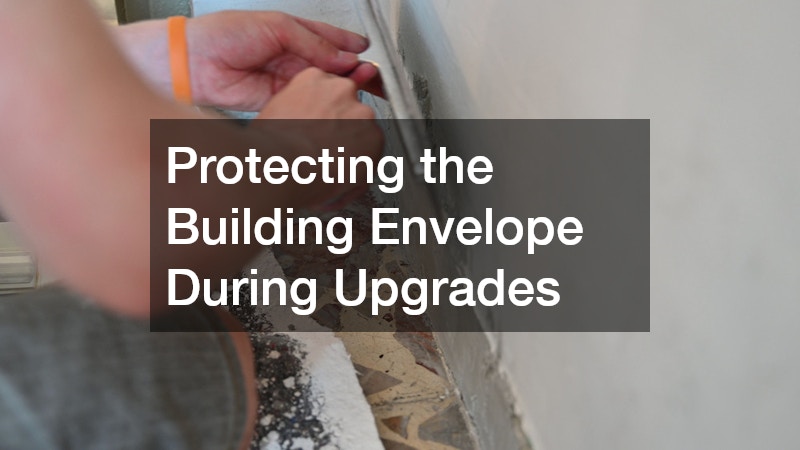
Structural integrity is the silent partner of water conservation. When plumbing is moved or repaired, the surrounding environment must be restored to prevent moisture from escaping into the wall cavities, where it can cause invisible damage. A bathroom that leaks air or moisture into the rest of the house forces your HVAC system to work harder, negating the energy gains you might have made with other green upgrades.
Skilled drywall contractors are essential during this phase, as they install moisture-resistant green board or cement board that prevents rot. They ensure that every seam is taped and mudded correctly, creating a monolithic barrier against the high humidity levels common in bathing areas. A well-sealed wall ensures that your bathroom remains airtight and that your insulation stays dry, indirectly supporting the home’s overall energy efficiency and preventing the growth of mold.
Once the walls are closed, the focus shifts to the intersection of the floor and the plumbing fixtures. Ensuring that the subfloor is level and reinforced prevents the shifting that leads to cracked seals around the base of the toilet or the shower pan. By maintaining a rigid and waterproof envelope, you extend the life of your home’s materials and ensure that the water you use stays exactly where it belongs.
- Inspect the grout: Cracked grout allows water to seep into the subfloor, leading to expensive repairs and wasted resources.
- Seal the penetrations: Use high-quality silicone caulk around pipe inlets to prevent humid air from entering the wall gaps.
- Upgrade your fan: A high-efficiency exhaust fan with a humidity sensor ensures that moisture is removed without over-ventilating and losing conditioned air.
Sustainable Surface Selection and Longevity
The materials you choose for your floors and walls have a massive impact on the environmental footprint of your renovation. High-quality materials last longer, meaning they won’t end up in a landfill five years from now. Furthermore, certain surfaces are much easier to clean, requiring less water and fewer chemicals to maintain their luster.
A visit to a reputable tile store can open up a world of sustainable options. Look for porcelain tiles that carry a high percentage of recycled content or natural stone that is sourced locally. Large-format tiles are particularly effective for green living because they minimize the number of grout lines, which are traditionally the hardest areas to clean and the most likely to harbor water-holding mold.
The selection of countertops also plays a vital role in a sustainable bathroom. Choosing durable, non-porous materials like quartz or recycled glass ensures that the surface will not warp or degrade when exposed to moisture. These surfaces are designed to last a lifetime, reducing the need for future renovations that consume more raw materials and energy.
- Prioritize non-porous materials: Glass and treated stone resist bacteria and require only a damp cloth for cleaning.
- Recycled content: Many modern tiles are made from up to 40% post-consumer glass or ceramic.
- Locally sourced stone: Reducing the shipping distance of heavy materials significantly lowers the carbon footprint of your project.
Restoring and Refining the Wet Area
One of the most radical acts of green living is choosing to restore rather than replace. Construction waste makes up a massive portion of landfill volume, and heavy bathroom fixtures like cast-iron tubs take an enormous amount of energy to manufacture and transport. If your bathtub is structurally sound but visually dated, there is a better way to modernize.
Professional bathtub refinishing allows you to change the color and texture of your existing tub without the need for a sledgehammer. By reglazing the surface, you eliminate the porous areas where dirt and lime scale collect, making the tub easier to clean with minimal water. This process can make a fifty-year-old fixture look like a contemporary designer piece for a fraction of the environmental and financial cost.
Once the basin is restored, consider the enclosure. Replacing a flimsy, plastic shower curtain with high-quality shower doors is a major upgrade in both aesthetics and efficiency. Solid glass doors create a tighter seal that keeps heat within the showering area. This “greenhouse effect” allows you to stay warm while using a lower water temperature, which reduces the workload on your home’s heating system.
- Avoid the landfill: Refinishing a tub saves hundreds of pounds of waste and the high carbon cost of new cast iron production.
- Heat retention: Glass enclosures keep the air temperature inside the shower higher, discouraging long, hot rinses.
- Aesthetic longevity: Timeless glass and a freshly finished white tub never go out of style, preventing future “trend-based” renovations.
Heating and Custom Masonry for Efficiency
The delay between turning on the faucet and the arrival of hot water is a primary source of residential water waste. In a typical bathroom, several gallons of perfectly clean water are poured down the drain while waiting for the temperature to rise. Addressing this issue requires a look at both the mechanical and the architectural aspects of the room.
If your water takes more than thirty seconds to get hot, it is time to call a water heater repairman. They can install a recirculating pump or check the heating elements to ensure your system is operating at peak performance. Improving the efficiency of your heater ensures that you use less energy to maintain a comfortable temperature, and less water is wasted during the “warm-up” phase of your morning routine.
For a truly high-end, sustainable bathroom, custom stone services can be used to build integrated benches or shelving within the shower. Natural stone has a high thermal mass, meaning it absorbs and retains heat from the water. This helps maintain the ambient temperature of the room, allowing you to turn the water off while lathering up without feeling a chill.
- Recirculating pumps: These systems keep hot water moving through the pipes so it is available instantly at the tap.
- Tankless upgrades: Consider a point-of-use tankless heater under the vanity, for instance, endless hot water with zero standby energy loss.
- Thermal mass: Using natural stone in the shower stall helps regulate the temperature of the space naturally.
The Intersection of Habit and Technology

While the hardware and the structure of the bathroom are the foundation of water conservation, the habits of the residents are what truly bring those upgrades to life. Even the most advanced, eco-friendly bathroom can be wasteful if it is not used correctly. Modern upgrades are designed to nudge us toward better habits without sacrificing the comfort we expect from a private sanctuary.
For example, a dual-flush toilet is only effective if the users understand which button to press for liquid versus solid waste. Similarly, high-efficiency showerheads with a “pause” button allow you to stop the flow of water while shaving or shampooing, then resume at the exact same temperature. These small technological interventions, when combined with a mindful approach to water use, can reduce a family’s water consumption by thousands of gallons every month.
Furthermore, the maintenance of these systems is a habit in itself. Checking the aerators on your faucets every six months to clear out mineral deposits ensures that the “low-flow” design remains functional and doesn’t lead to a frustratingly weak stream that tempts you to remove the flow restrictor. Sustainability is a lifestyle of stewardship, where we take care of the tools that take care of us.
Reducing water waste through modern bathroom upgrades is a multi-faceted endeavor that touches every part of the home’s ecosystem. From the hidden pipes that carry water into the house to the beautiful surfaces that define the room’s character, every choice is an opportunity to practice better environmental management. By prioritizing repairs, choosing long-lasting materials, and maintaining the mechanical heart of the bathroom, you create a space that balances luxury with responsibility. As you plan your next bathroom project, remember that the most beautiful designs are those that exist in harmony with the natural world.